The Road
From the Bestiary
Three of the things the road holds
Dyrhal is not a land of safe roads. Most deaths are not glorious, and most enemies are not legendary. They are hungry men with a spear, a beast that commits too far, or something dead that refuses to stay quiet. In Steel Age, danger is practical: bad footing, poor light, fatigue, and a single mistake that turns into Momentum.
Beasts · TM 2 · Hard
Wolves
The Bestiary · XII.8
The Block
Health7
Move35′
Resilience0 TOU + AV
Opening Order2d6 −1
Momentum Press2d6 +3
Momentum Defense2d6 +3
MoraleBeast — breaks at losses
| Melee | Reach | Engagement Clash | Damage |
|---|---|---|---|
| Bite L2 | 1 | 2d6 +4 | +3 |
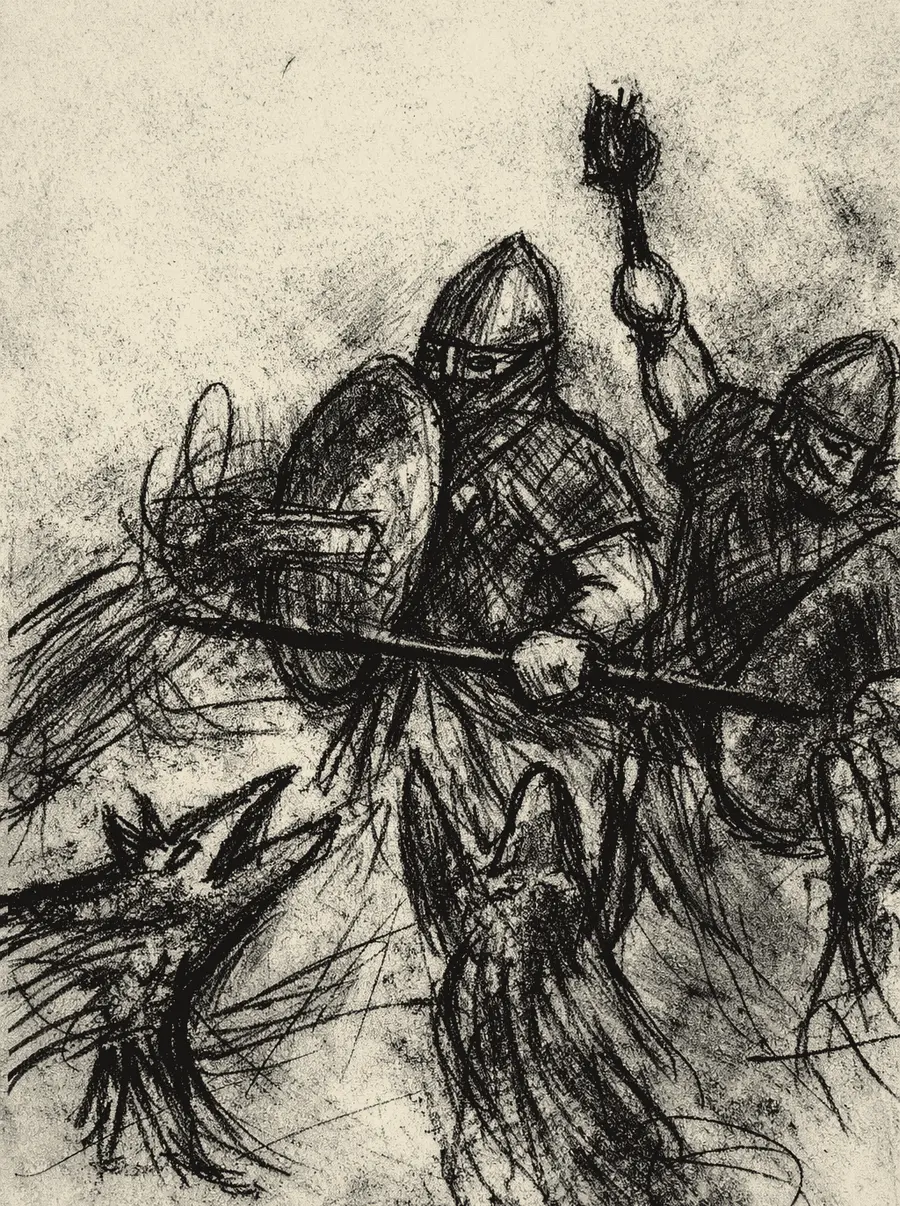
Wolves do not seek glory, they seek an opening. A pack tests, withdraws, circles, and surges when one target stumbles. Even a single wolf is dangerous if it can force a traveler to split attention between weapon and footing.
Traits
Relentless: once engaged, wolves do not disengage unless morale or circumstance forces it.
Pack Hunter: if another wolf is engaged with the same target, +1 on Engagement Clash against it.
Tactics
They probe for whoever is isolated or slow. Once a target is under pressure the pack commits together. If their confidence breaks they peel away as one rather than scattering.
One Comes from the Side
One comes from the side, love, one from the side, and he is not the wolf, love, he is only the guide; turn your face to the one and the rest will come wide, so keep the fire behind you, and stand.
They are quiet in snow, love, as quiet as snow; you will hear nothing come, and then seven lie low; they will wait for your feet to decide where to go, so build up the fire, love, and stand.
The wolf is not brave, love; he wants it cheap, and a man who is running is cheaper than sheep; he will leave you for easier meat if you keep your back to the fire, love, and stand.
The light goes early, love, the light goes fast, and the mile to the gate is the longest and last; when the dark finds you walking, the walk is past, so stop where there is wood, love, and stand.
He follows the tired, love, he follows the slow; he can tell by your step how far you can go; he will walk at your side for a mile in the snow, so walk with the fed ones, love, and stand.
The fire is the wall, love, the fire is the gate; cut wood in the light, for the dark will not wait; what you did not cut early you will wish for too late, so keep the fire fed, love, and stand.
— Drezdani winter song, Barony of Kirgas; sung to children on the long nights, and by hunters under their breathSteel Age · Chapter XII
Undead · TM 3 · Grim
The Wight
The Bestiary · XII.11
The Block
Health9
Move25′
Resilience6 TOU + AV + helm
Opening Order2d6 +3
Momentum Press2d6 +4
Momentum Defense2d6 +6 · Shield 2
MoraleIntelligent — does not rout
| Melee | Reach | Engagement Clash | Damage |
|---|---|---|---|
| Arming Sword L2 | 1 | 2d6 +5 | +3 |
| Spear L2 | 2 | 2d6 +6 | +3 |
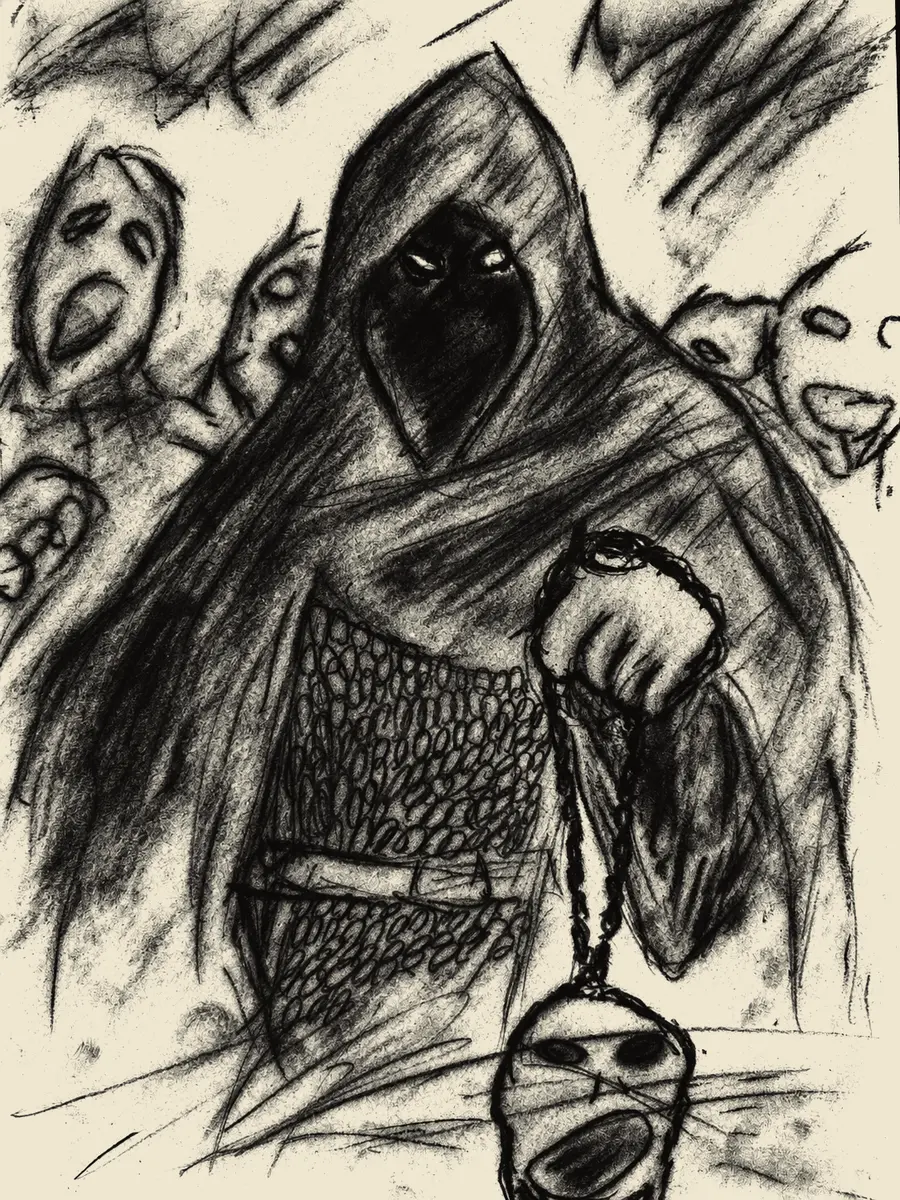
A wight is not a corpse animated by accident. It is a will that survived death and learned to command it. Wights remember battlefields, betrayals and oaths. One keeps the dead it has raised the way a lord keeps men-at-arms, and it is met where the oath was broken or the battle lost.
Traits
Dread Presence: when the wight first enters melee range, living foes at Short range take −1 on their next roll — once per scene.
Command the Dead: mindless undead within earshot gain +1 on their first Engagement Clash each round.
Leads: Command & Tactics +2; everyone on its side adds it to Opening Order.
Tactics
A wight leads from the second rank and lets the dead absorb the first rush. It strikes where morale is weakest rather than where armor is thinnest. It is content with a slow victory, because it has nothing else to spend but time.
The Second Wrong Thing
We were a day and a half into the old works when it happened, a little at a time and back out to the light, until the second morning, when there was no light to come back out to.
The dead came first. We have dealt with the dead before — you put them down, they stay down, you move on. These ones moved in formation. Shield to shield. That was the first wrong thing.
The second wrong thing was what stood behind them.
It did not fight. It watched. When Sergeant Konrad went down it tilted its head — I swear it tilted its head — like a man reconsidering a position at a game table. Then it raised one hand and the dead pressed harder.
Konrad’s body was still moving when the thing looked down at him. Not feeding. Not gloating. Judging. Then it looked at us.
We ran. I am not ashamed to have run. The ones who did not run are still there.
— From the field notes of Sergeant Gerd Rannig, men-at-arms of the Barony of Omsk, recovered at Harrowfield manorI Hold It Still
I held the gate when the lord went over the wall. I hold it still. The ones who left me lie under the field and stand the watch they ran from. Bring more.
— Cut into the lintel of the lower vault; copied by AnselSteel Age · Chapter XII
Monsters · TM 4 · Ruinous
The Spectral Arachne
The Bestiary · XII.12
The Block
Health9
Move35′ (climb)
Resilience3 TOU + AV
Opening Order2d6 +1
Momentum Press2d6 +5
Momentum Defense2d6 +5
MoraleIntelligent — withdraws
| Melee | Reach | Engagement Clash | Damage |
|---|---|---|---|
| Bladed Legs L3 | 2 | 2d6 +7 | +5 |
| Fang Bite L3 | 0 | 2d6 +5 | +5 |
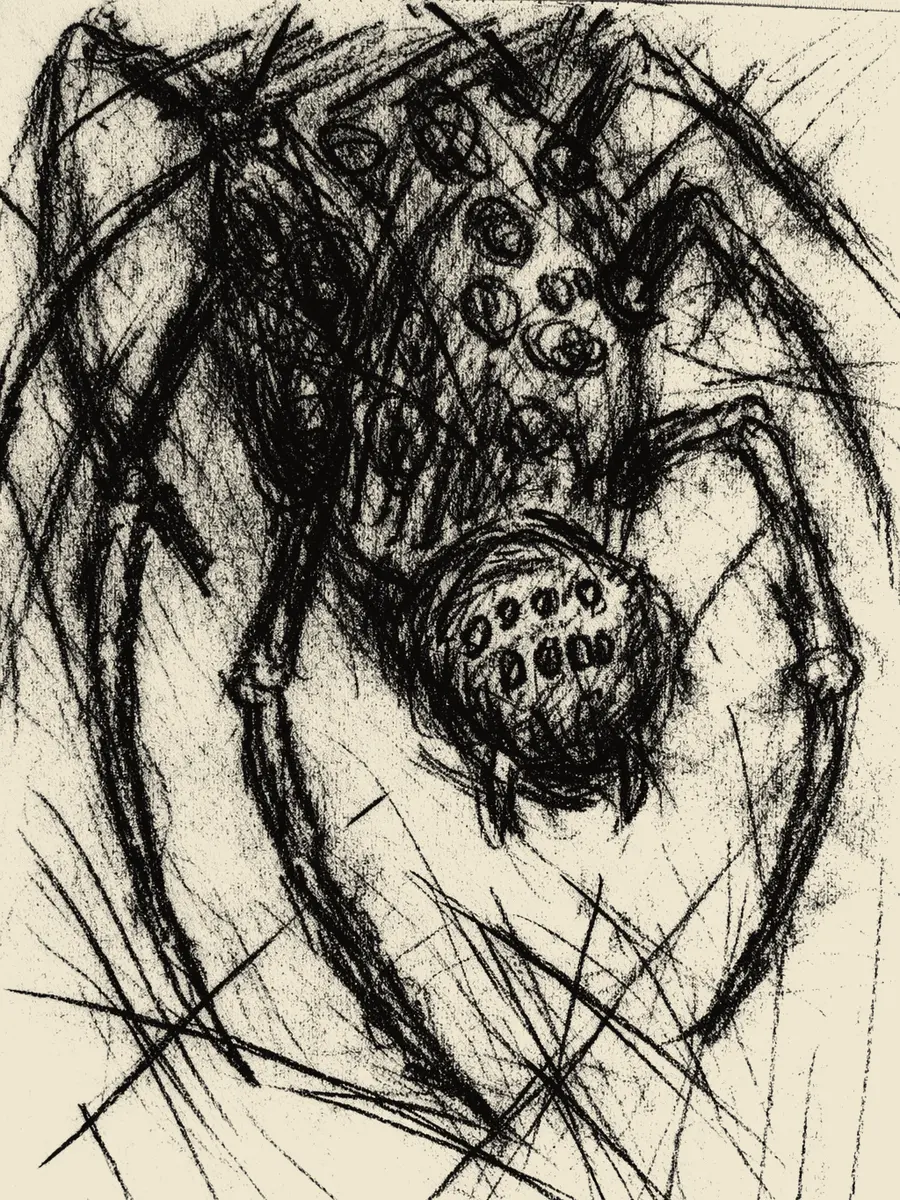
The spectral arachne is a hunting intelligence wrapped in a body that cannot fully decide whether it belongs to this world. In torchlight it looks like a giant spider with bladed legs. It nests high, in the dark of an empty tower.
Traits
Phase-Step: once a round, as part of movement: while phased it moves through creatures and narrow gaps and cannot be targeted by non-magical attacks until it attacks or ends its movement.
Half-In, Half-Out: the first Health loss each round is reduced by 1.
Web Snare: once a round: declared before the Engagement Clash — if it wins the clash and the Press by 8 or more, the target is Restrained, as V.14, instead of taking damage.
Tactics
It phase-steps to deny a clean press. It webs the first person to commit too deeply. It leaves before it bleeds out, to hunt again later, which means a party that refuses to split never finishes it.
It Always Comes Back Later
The watchtower at Coldmarsh had been dark two seasons when we were sent to clear it. We assumed squatters or animals.
The first man who went up the stair did not scream. He simply stopped coming back down. The second went up and came back fast, saying he had seen something that was not fully there — like looking at a shape through water.
By the time we understood what we were dealing with it had already separated Oswin from the group. We heard the webbing before we heard him. We did not get to him in time.
The stair is the whole of it. One man wide, turning, with the dark above and the torch below, and whoever goes up it goes up alone whether he meant to or not. We went up with two torches and came down with one, and the one was in the wrong hand. We should have waited for daylight, and daylight would not have helped.
It retreats the moment it starts losing. That is what makes it so difficult to finish. It fights until the odds turn and then it simply is not there anymore. It comes back later. It always comes back later.
We burned the tower. It was not inside when we did.
— From the account of Sergeant Edda Harsk, men-at-arms of Helvast manorSteel Age · Chapter XII